Unlock Your Potential
Training Specifically Tailored to Your Needs
Burns, Scalds and Scorches
A very recent incident involving a friend of mine and the subsquent discussions online in social media between several current and ex first aid instructors highlighted some important factors to consider when dealing with burns.
Severity of Burns
All burns should be immediately assessed to determine the depth to which a burn has occurred.
- Superficial burns only affect the outer most layers of skin. The injured area will be sore and bright red. Contact can be painful. No blistering is present and the skin is still intact.
- Partial thickness burns have penetrated down into deeper tissue. The skin can blister and peel leaving the body wide open to infection.
- Full thickness burns are painless. They can be moist, oozing, dry or cracked. The skin may be scorched and blackened, white and waxy, or they can be a combination of both.
Amount of Burn
The best method of determining the total body surface area of the burn is using the “Rule of 9’s”. This rule is internationally recognised and allows hospitals and paramedics to manage fluid support for patients. A reasonable assessment of the burn by a first aider goes a long way to helping paramedics plan their treatment prior to arrival. For further information, try the following link Emedicine Health – Rule of Nines. Any burn bigger than the size of a 50 cent piece should be medically assessed for serverity and potential depth of the burn.
Cause of Burn
Consider how the burn ocurred as it may increase the severity for the patient. For example, chemicals can be absorbed and become a poisoning as well as being a potential hazard to everyone dealing with them. Electrical burns often can include full thickness burns to internal organs. Tar or even jam will trap high temperatures against the skin and can be hard to remove without causing severe damage. Burns completely circling a limb can swell and cut off blood supply.
Burns should never be underestimated. Treat with a minimum of 20 minutes of cool or tepid flowing water. Personal experience has shown that the use of cold water can send a patient into shock. Ice should never be used as it can also lead to burns.
Always follow your first aid training with regard to burns and if in any doubt, dial 000 and ask for Ambulance.
My thanks to Caroline E and Stephen S for discussion and review of similar teachings from Australia and the UK.
Beware the advice of “friends”
It horrifies me the number of “helpful suggestions” that I see being posted in social forums with regards to some quite serious first aid emergencies.
While some suggestions are benign, some have been downright dangerous. For example, the application of ice, lavender oil, and egg whites to a severe steam burn.
This is but one example of some practices that could lead to permanent scarring or life long injuries that appear almost daily in the public domain. People should be very careful about the advice that they offer in a public domain.
If facing any injury and it warrants the asking of advice, the Victorian government has Nurse On Call on 1300 60 60 24. Queensland has 13 HEALTH (1300 43 25 84). All other states and territories use contractor healthdirect Australia on 1800 88 24 36.
Serious incidents should reported to 000 and ask for Ambulance.
The joy of helping others
There is a certain joy in being able to help others. Especially with those less fortunate than you. As you will know from one of my previous posts, I have working with others to set up a health post in a village in Nepal.
I have been advised by my contact, Dorje, in Nepal that the Pattale Community Health Centre has now been officially opened thanks to some very generous donations here in Australia. Through my business, Key2Act, I was also able to make a donation to support the project.
I was also invited to become a trustee of the Pattale Health Trust, which is responsible for raising funds, organising medical volunteering and administering the Australian side of the project.
I am hoping that within a few days, I will have some photos of the centre in its new premises. Some great work has been performed by the village committee, Dorje and the CMA doctor, Thirman, to set up the rented building, install facilities and purchase in the much needed medications to make this project work.
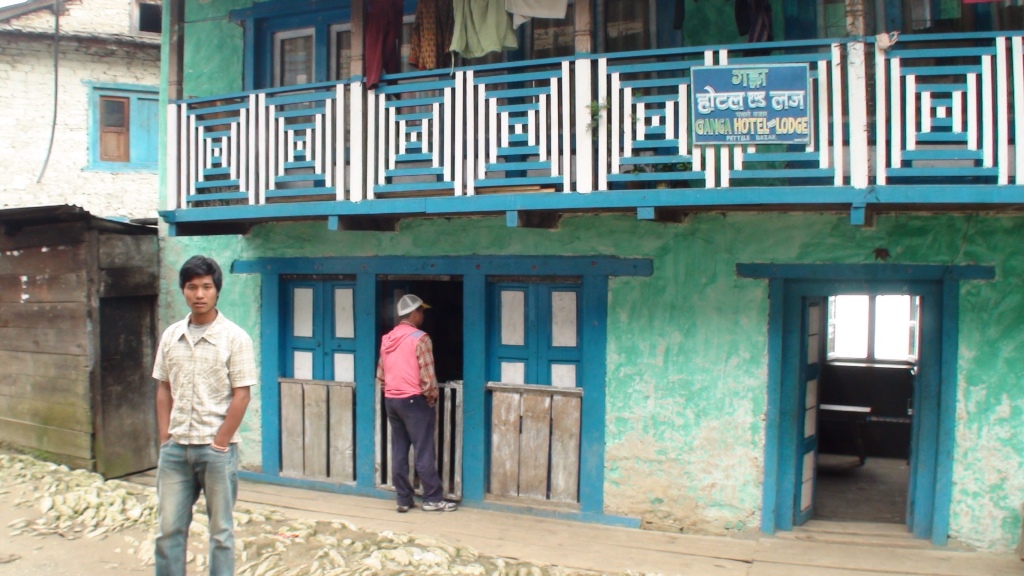
From a small, street level shop front that doubled as Thirman’s home, they now have the whole first floor of a building, a separate bed room for the doctor, consulting rooms and even space for wards if need be.
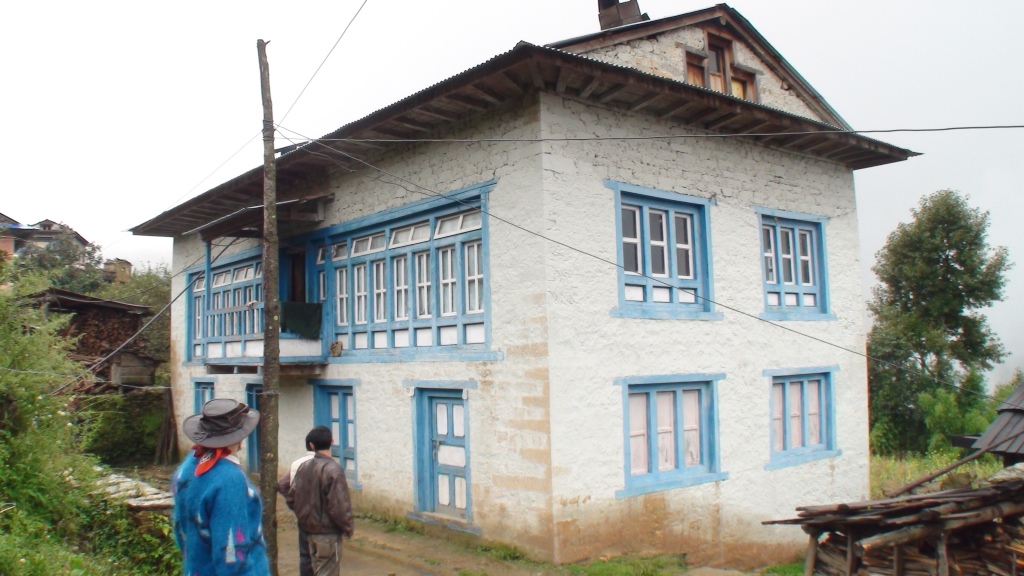
The Australian friends and trustees are really please to see the project come to fruition. A project that has been over four years in the planning. There is a certain sense of pride in knowing that such a simple act will benefit so many people in an impoverish area of Nepal. I look forward to my next visit when I will be able to reconnect with so many happy, smiling people.
Great work in remote places
I would like to take this opportunity to share another blog which was brought to my attention this evening.
The works being performed in poor and remote locations are being supported by companies on the other side of the planet by technologies considered unthinkable even a mere ten years ago. I was particularly taken by the fact a technician was able, and willing, to dedicate their entire day to talking staff in this hospital through fault finding and repair of some very valuable medical equipment. Kudos to them and the staff at the hospital for getting things running again.
http://blog.nyayahealth.org/2012/02/24/x_ray_repair/