Unlock Your Potential
Training Specifically Tailored to Your Needs
Health services in Nepal
I have just finished an 18 day visit to Nepal and took the opportunity to investigate health support services here.
In a country 6/10 the size of Victoria with a population of over 28 million people, you can imagine what the support structures are like.
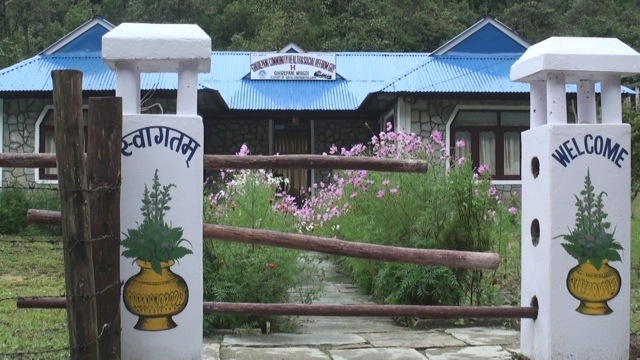
The contrasts are striking in their diversity. From large modern hospitals in Kathmandu to funded health posts like this one in Ghorepani, western Nepal.
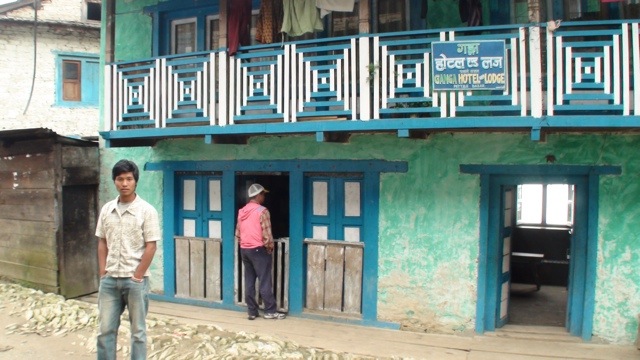
The other end of the extreme is this shop front run by a CMA doctor in Patale, Solukhumbu region, eastern Nepal.
Like many third-world countries, the really rich and the foreigners can enjoy the benefits of top class medical facilities. The poor suffer from reduced services. Research along with discussions with locals confirms that doctors only head out of the major towns if money is present first.
The Nepali government have set up a solution by training staff to a reported national standard, accrediting them as Community Medical Assistants (CMA). They fill a roll within communities somewhere between nurses and remote practitioners; having the ability to prescribe medications.
Funding comes from the local community or charity donations and often pay is only received from patients. The ability to earn additional income for further study is often non-existent especially in areas not supported by tourists.
Ghorepani raises funds from tourists paying full price for treatment, donations and the local Hotels Association. Patale has no such support and is hoping to set up a funding arrangement with supporters in Australia.
Ghorepani is able to perform out reach services to remote communities and has agreements for visiting international health professionals. Patale does not yet have this capability. Tourism is not part of the local community.
Many NGO’s are aiming to expand services into non-tourist areas and combine programs with education support and self-funding projects. Groups such as The Australian Himalayan Foundation are successfully running projects in Nepal, India and Bhutan.
Patale will be dependent on support from a small group of Australians including Key2Act to setup the CMA trained person to run a clinic, conduct out reach and deliver community health education. For a tiny sum of money, the whole deal including building, wages, etc. can be set up for a period of two years.
Further details will follow in time. Feel free to ask more details or to donate clinical or allied health services for a few weeks.
Time is critical in cerebral emergencies
It is with interest that I note Australia’s Stroke Foundation have just released a new version of the F.A.S.T. advertisement.
This is a really important message that improves the recognition of stroke and ultimately gives the patient a better chance at a positive outcome.
Since they have chosen to update the ad, we should again consider what we are looking for in a patient.
Face: watch for signs that the face is starting to droop. Ask the patient to smile and look to see if the result is even on both sides. How well can the brain control the facial muscles.
Arms: pop your fingers in the hands of the patient and ask them to give them a squeeze. Is the grip equal on both hands? Alternatively have them hold both hands in front and see if they can hold them there. This will determine if the signal is getting out from the brain to the hands and arms.
Speech: get the patient to say anything. Are the words clear? Can the patient speak at all? Are the words logical? With this test, the state of the speech centre of the brain is tested to see if any it is affected.
Time: stroke is a time critical emergency and the best results are achieved within the first one to three hours. Even if you suspect a stroke, make the phone call to 000. You are giving the patient the best possible care and even if the tests come back as negative, you have still done the right thing.
There is a commonly used term known as “Payoff” which means that if you have treated for the worst and hope for the best, then the patient gets the best possible care.
Do not muck about if you suspect someone is having a stroke. It is always better to be wrong than allow a patient to suffer the debilitating effects of this emergency.
Always remember to explain to the 000 call-taker exactly what you have done and the results of the tests. This will allow them to understand exactly what is going on and to allocate the correct resources.
For further information ring the StrokeLine 1800 767 583. An iPhone app called Think FAST has been released and provides valuable information to and advice.