Training Specifically Tailored to Your Needs
Health services in Nepal
I have just finished an 18 day visit to Nepal and took the opportunity to investigate health support services here.
In a country 6/10 the size of Victoria with a population of over 28 million people, you can imagine what the support structures are like.
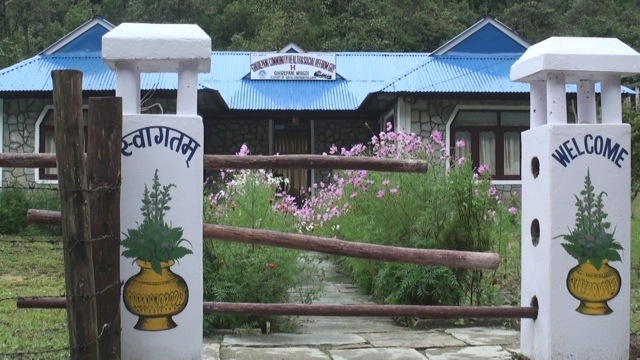
The contrasts are striking in their diversity. From large modern hospitals in Kathmandu to funded health posts like this one in Ghorepani, western Nepal.
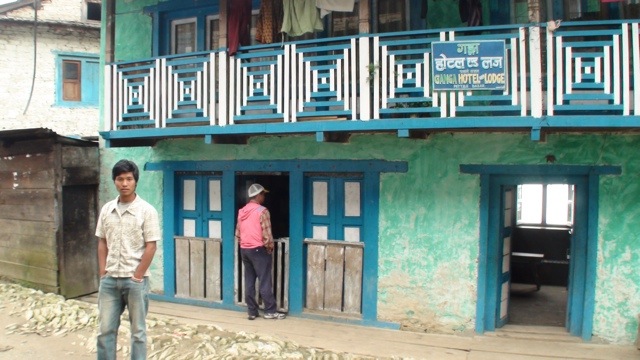
The other end of the extreme is this shop front run by a CMA doctor in Patale, Solukhumbu region, eastern Nepal.
Like many third-world countries, the really rich and the foreigners can enjoy the benefits of top class medical facilities. The poor suffer from reduced services. Research along with discussions with locals confirms that doctors only head out of the major towns if money is present first.
The Nepali government have set up a solution by training staff to a reported national standard, accrediting them as Community Medical Assistants (CMA). They fill a roll within communities somewhere between nurses and remote practitioners; having the ability to prescribe medications.
Funding comes from the local community or charity donations and often pay is only received from patients. The ability to earn additional income for further study is often non-existent especially in areas not supported by tourists.
Ghorepani raises funds from tourists paying full price for treatment, donations and the local Hotels Association. Patale has no such support and is hoping to set up a funding arrangement with supporters in Australia.
Ghorepani is able to perform out reach services to remote communities and has agreements for visiting international health professionals. Patale does not yet have this capability. Tourism is not part of the local community.
Many NGO’s are aiming to expand services into non-tourist areas and combine programs with education support and self-funding projects. Groups such as The Australian Himalayan Foundation are successfully running projects in Nepal, India and Bhutan.
Patale will be dependent on support from a small group of Australians including Key2Act to setup the CMA trained person to run a clinic, conduct out reach and deliver community health education. For a tiny sum of money, the whole deal including building, wages, etc. can be set up for a period of two years.
Further details will follow in time. Feel free to ask more details or to donate clinical or allied health services for a few weeks.
Leave a Reply