Unlock Your Potential
Training Specifically Tailored to Your Needs
Beware the advice of “friends”
It horrifies me the number of “helpful suggestions” that I see being posted in social forums with regards to some quite serious first aid emergencies.
While some suggestions are benign, some have been downright dangerous. For example, the application of ice, lavender oil, and egg whites to a severe steam burn.
This is but one example of some practices that could lead to permanent scarring or life long injuries that appear almost daily in the public domain. People should be very careful about the advice that they offer in a public domain.
If facing any injury and it warrants the asking of advice, the Victorian government has Nurse On Call on 1300 60 60 24. Queensland has 13 HEALTH (1300 43 25 84). All other states and territories use contractor healthdirect Australia on 1800 88 24 36.
Serious incidents should reported to 000 and ask for Ambulance.
The joy of helping others
There is a certain joy in being able to help others. Especially with those less fortunate than you. As you will know from one of my previous posts, I have working with others to set up a health post in a village in Nepal.
I have been advised by my contact, Dorje, in Nepal that the Pattale Community Health Centre has now been officially opened thanks to some very generous donations here in Australia. Through my business, Key2Act, I was also able to make a donation to support the project.
I was also invited to become a trustee of the Pattale Health Trust, which is responsible for raising funds, organising medical volunteering and administering the Australian side of the project.
I am hoping that within a few days, I will have some photos of the centre in its new premises. Some great work has been performed by the village committee, Dorje and the CMA doctor, Thirman, to set up the rented building, install facilities and purchase in the much needed medications to make this project work.
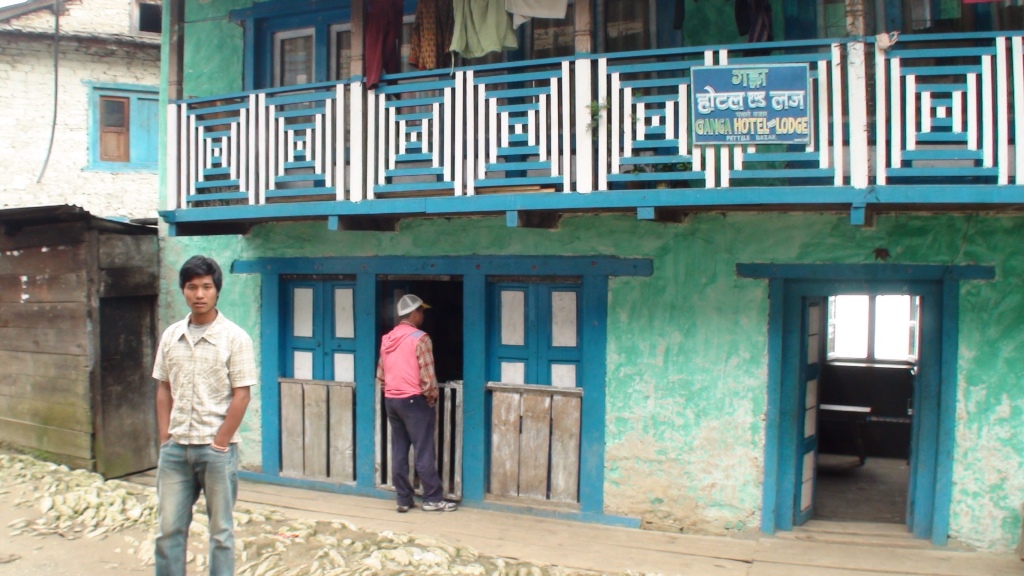
From a small, street level shop front that doubled as Thirman’s home, they now have the whole first floor of a building, a separate bed room for the doctor, consulting rooms and even space for wards if need be.
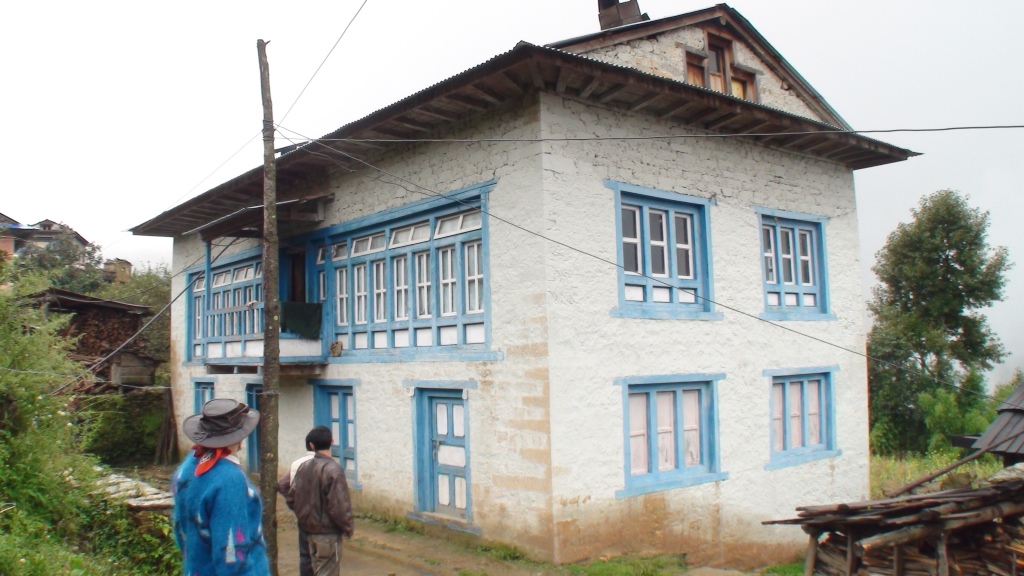
The Australian friends and trustees are really please to see the project come to fruition. A project that has been over four years in the planning. There is a certain sense of pride in knowing that such a simple act will benefit so many people in an impoverish area of Nepal. I look forward to my next visit when I will be able to reconnect with so many happy, smiling people.
Great work in remote places
I would like to take this opportunity to share another blog which was brought to my attention this evening.
The works being performed in poor and remote locations are being supported by companies on the other side of the planet by technologies considered unthinkable even a mere ten years ago. I was particularly taken by the fact a technician was able, and willing, to dedicate their entire day to talking staff in this hospital through fault finding and repair of some very valuable medical equipment. Kudos to them and the staff at the hospital for getting things running again.
http://blog.nyayahealth.org/2012/02/24/x_ray_repair/
Being stoic can be fatal
It is certainly true that men can be very stubborn when it comes to their health. And having high tolerances for pain can actually be a disadvantage; an issue for both women and men. When it comes to cardiac emergencies, the last thing anyone should do is ignore the warning signs.
Sitting in the Emergency Department waiting room of a small country hospital the other night, it was actually great to see someone come in because they had some chest pain. The staff did not muck about with this person and moved them straight in for assessment.
Several hours later they were discharged as the tests had come back negative. Neither the staff nor the patient saw this as a needless waste of time. To be proven wrong is fantastic. Waiting for “things to get better” without medical support can prove deadly.
Consider the risk factors when it comes to the potential for cardiac emergencies. These items are not an exhaustive list:
* Age
* Gender
* Family history
* Weight
* Smokers
* Diet
* Exercise (or more specifically a lack of it)
All of these could be indicators for possible trouble. If any of these factors apply to you, make an appointment with your GP to discuss whether or not you need to start taking action.
Of all the paramedics I have dealt with in the field, they would all agree that they would prefer to turn up and not be needed than turn up 20 minutes too late when it comes to cardiac emergencies.
There is an old quote that goes along the lines of “time is myocardium” which means time is heart muscle. The longer you leave a cardiac emergency, the more heart muscle is destroyed that will NOT be repaired by the body.
So what indicators suggest urgent action is required?
If the patient experiences:
* Chest pain or discomfort e.g. A tight band, crushing, tearing, or searing sensations
* Pain in the left arm, tingling or loss of sensation
* Sudden onset neck or head pain
* Persistent severe indigestion, nausea and/or vomiting
* Blueness or greying of the lips, fingers or toes
* Difficulty breathing
* Difficulty standing
* Looking pale with cool, clammy skin
Remember, you do not need to have had a family or personal history or heart problems to experience these symptoms. Acting on them straight away will give you the best chance of survival.
Certainly should you start experiencing the indicators of a potential cardiac emergency, take action straight away. Dial 000 in Australia and ask for an Ambulance.
Health services in Nepal
I have just finished an 18 day visit to Nepal and took the opportunity to investigate health support services here.
In a country 6/10 the size of Victoria with a population of over 28 million people, you can imagine what the support structures are like.
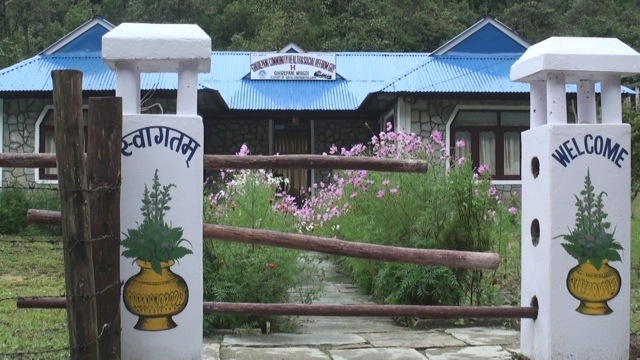
The contrasts are striking in their diversity. From large modern hospitals in Kathmandu to funded health posts like this one in Ghorepani, western Nepal.
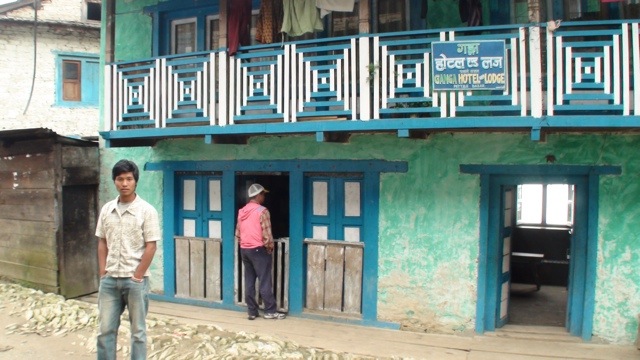
The other end of the extreme is this shop front run by a CMA doctor in Patale, Solukhumbu region, eastern Nepal.
Like many third-world countries, the really rich and the foreigners can enjoy the benefits of top class medical facilities. The poor suffer from reduced services. Research along with discussions with locals confirms that doctors only head out of the major towns if money is present first.
The Nepali government have set up a solution by training staff to a reported national standard, accrediting them as Community Medical Assistants (CMA). They fill a roll within communities somewhere between nurses and remote practitioners; having the ability to prescribe medications.
Funding comes from the local community or charity donations and often pay is only received from patients. The ability to earn additional income for further study is often non-existent especially in areas not supported by tourists.
Ghorepani raises funds from tourists paying full price for treatment, donations and the local Hotels Association. Patale has no such support and is hoping to set up a funding arrangement with supporters in Australia.
Ghorepani is able to perform out reach services to remote communities and has agreements for visiting international health professionals. Patale does not yet have this capability. Tourism is not part of the local community.
Many NGO’s are aiming to expand services into non-tourist areas and combine programs with education support and self-funding projects. Groups such as The Australian Himalayan Foundation are successfully running projects in Nepal, India and Bhutan.
Patale will be dependent on support from a small group of Australians including Key2Act to setup the CMA trained person to run a clinic, conduct out reach and deliver community health education. For a tiny sum of money, the whole deal including building, wages, etc. can be set up for a period of two years.
Further details will follow in time. Feel free to ask more details or to donate clinical or allied health services for a few weeks.
Time is critical in cerebral emergencies
It is with interest that I note Australia’s Stroke Foundation have just released a new version of the F.A.S.T. advertisement.
This is a really important message that improves the recognition of stroke and ultimately gives the patient a better chance at a positive outcome.
Since they have chosen to update the ad, we should again consider what we are looking for in a patient.
Face: watch for signs that the face is starting to droop. Ask the patient to smile and look to see if the result is even on both sides. How well can the brain control the facial muscles.
Arms: pop your fingers in the hands of the patient and ask them to give them a squeeze. Is the grip equal on both hands? Alternatively have them hold both hands in front and see if they can hold them there. This will determine if the signal is getting out from the brain to the hands and arms.
Speech: get the patient to say anything. Are the words clear? Can the patient speak at all? Are the words logical? With this test, the state of the speech centre of the brain is tested to see if any it is affected.
Time: stroke is a time critical emergency and the best results are achieved within the first one to three hours. Even if you suspect a stroke, make the phone call to 000. You are giving the patient the best possible care and even if the tests come back as negative, you have still done the right thing.
There is a commonly used term known as “Payoff” which means that if you have treated for the worst and hope for the best, then the patient gets the best possible care.
Do not muck about if you suspect someone is having a stroke. It is always better to be wrong than allow a patient to suffer the debilitating effects of this emergency.
Always remember to explain to the 000 call-taker exactly what you have done and the results of the tests. This will allow them to understand exactly what is going on and to allocate the correct resources.
For further information ring the StrokeLine 1800 767 583. An iPhone app called Think FAST has been released and provides valuable information to and advice.
Underground Mine Rescue, Bendigo 2011
While not widely known, even in Bendigo I found out, these types of competitions are excellent for putting training into a realistic context. Good makeup and a willing team of casualties make this a confronting but ultimately beneficial exercise. It’s only draw back can be the cost.
Scenario based training – benefits vs. cost
It is sad to say that when the financial situation gets tight, the first thing to be cut from a company’s bottom line will be items related to training. Unfortunately, in work environments, the cutting of training in first aid can end up costing a life.
One industry where training is given some priority is the mining industry. Irrespective of your opinions on mining, the members of the many and varied Emergency Response Teams are dedicated to the preservation of life. So much so, that mining companies can potentially spend upwards of $30,000 to send teams to competitions.
These competitions pit teams against each other in a range of events; challenging their skills and training. The Minerals Council of Australia run these competitions across Australia. And it is at one of these events that I find myself this weekend,
Here in Bendigo, Victoria this weekend, I have been involved with the Victorian division competitions as an adjudicator. Something I have been doing at every event since 2006.
Six teams are being challenged to the limit over a fifty minute round of first aid. Each year the challenge is different but the aim is always the same. Develop the best practice that makes these teams so good at what they do in remote or complicated circumstances.
Theoretical training is fine in a class room environment but nothing can replace the benefit of being placed on the spot with a live patient or patients, encompassing the emotion, stress and impact of simulated injuries. The benefits are tangible. Participants come away with refreshed skills, confidence born of practice and knowing that in all likelihood, they will have pushed far beyond anything they may encounter in the real world.
While the dollars involved are quite high, the benefits gained make the investment well worth while. The confidence that is instilled in staff as a result of the additional training means they can perform their duties safe in the knowledge that if it all goes wrong, their teams will be there to look after them.
The benefits of learning first aid
In my younger years, I never had either the inclination or the motivation to learn first aid. Mostly out of fear and a thought that I have heard too many people express in the last 6 years; “I don’t think I could do that. I’d muck it up and kill them.” Such an odd thought to have since, if you do nothing, the person could die anyway.
This is despite the fact that during high school, one of my class mates passed away during class after the heroic efforts by the people, the students, teachers and paramedics involved to try and save them.
Irrespective of my misgivings, one day I plucked up the courage and decided to take my first course. How wrong could I be? The skills picked up in any course are simple, straight forward and easy to apply. Over a decade later, I now teach these skills to everyday people. From staff employed in first response roles to folks who have not been to school in over 50 years.
From the time I finished my first course, I was determined. Never again! Never on my watch would someone go through a life or death moment where I would not try my utmost to save them. I use my skills regularly at work, on the property or even a community first responder.
If you ever thought that first aid should be complicated or had to be at an unattainable level of presentation, I say “hooey!” First aid skills are easy to use and improvisation is allowed. Anyone can learn how to save a life. The end result doesn’t have to be pretty or neat, just effective and supportive. Think what you could do if you have just a little know-how. Talk to a first aid provider and learn a skill that could save a life.